Lesson Report: Two-Week Sushi & Ramen Course (Part2: 1-week Ramen)
Nov 27, 2025
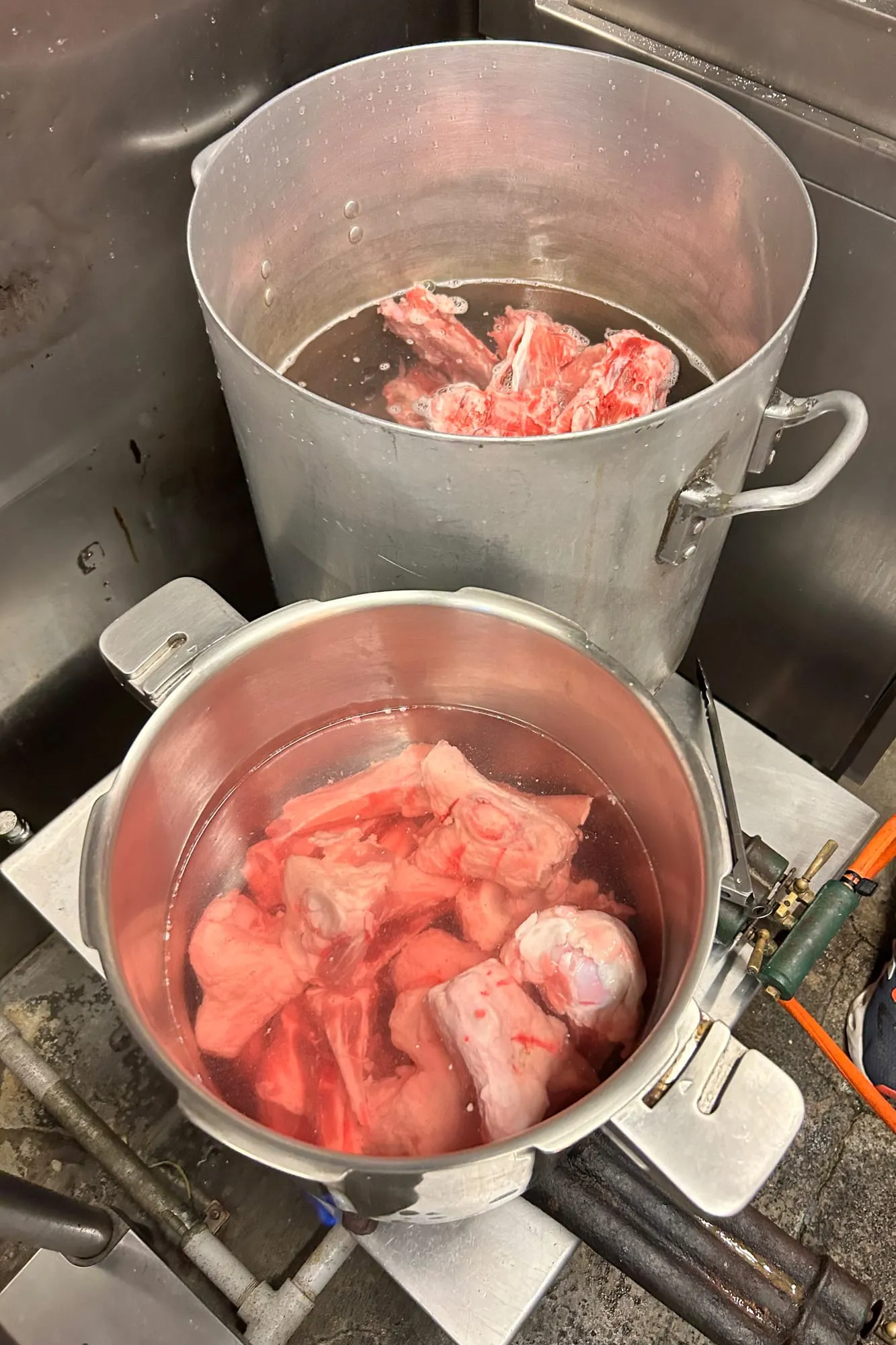
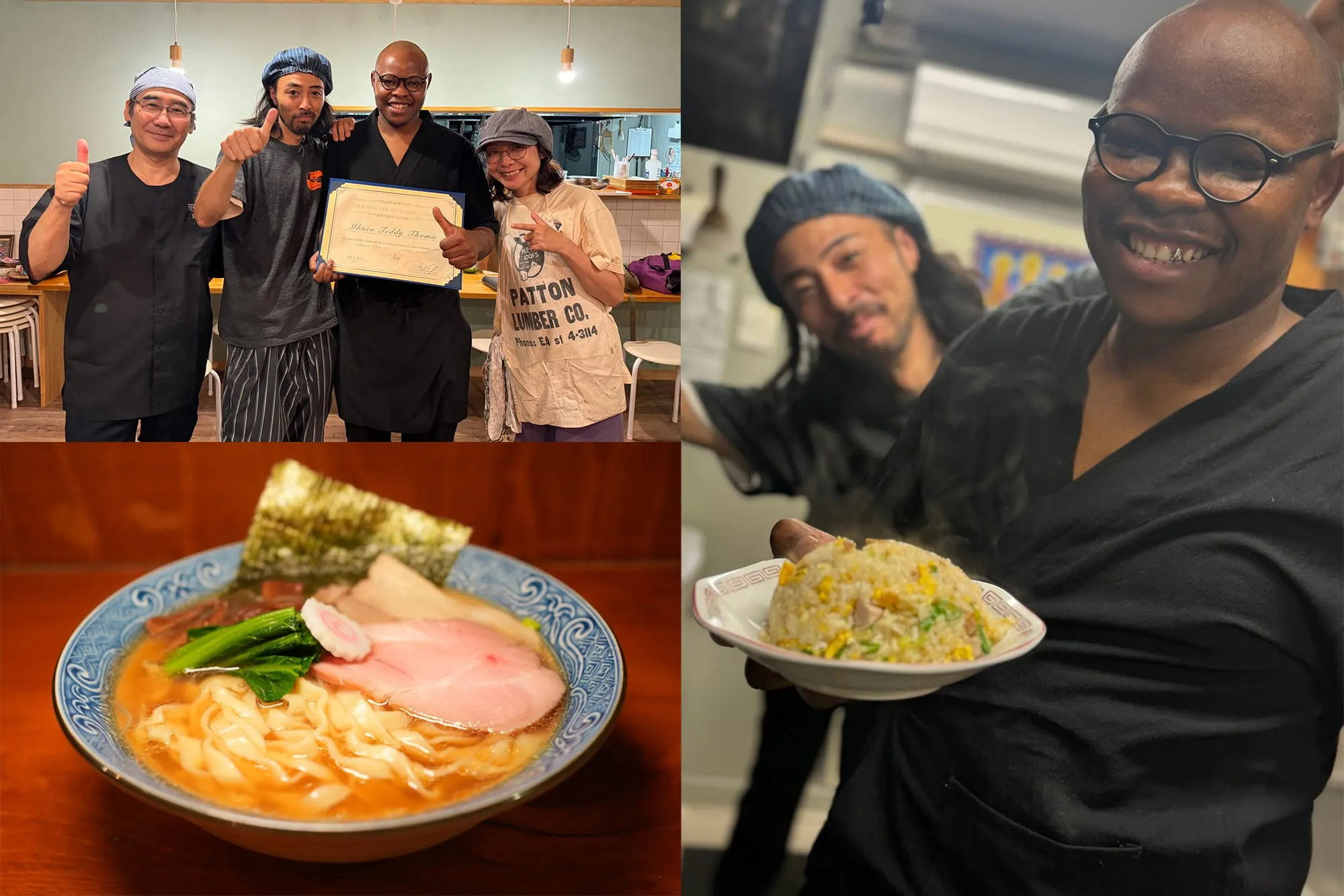
Teddy is a sushi chef from South Africa who currently resides in Florida, USA. He is attending a two-week culinary program in Japan, consisting of one week focused on sushi and one week on ramen. Let’s get started right away! First, we’ll begin with the soup base, which is the foundation of the broth.

Next, we focus on preparing the seafood stock. Together, we’ll make it while learning the finer techniques involved.


Next, we move on to noodle making. This process involves preparing the dough from scratch and allowing it to rest. Due to daily variations in humidity and temperature, the amount of water absorbed by the flour changes accordingly. It is essential to rely on the tactile feedback of the dough’s texture to determine the appropriate consistency. Achieving this requires repeated practice and experience.


We begin by having Teddy sample a bowl of ramen. Throughout the meal, he smiles widely and repeatedly says, “Delicious!” as he finishes the entire bowl. While this is just one variation, we encourage him to keep this kind of delicious ramen in mind as a goal for the upcoming lessons.

Next, we have a lecture on the first type of tare and aromatic oil.
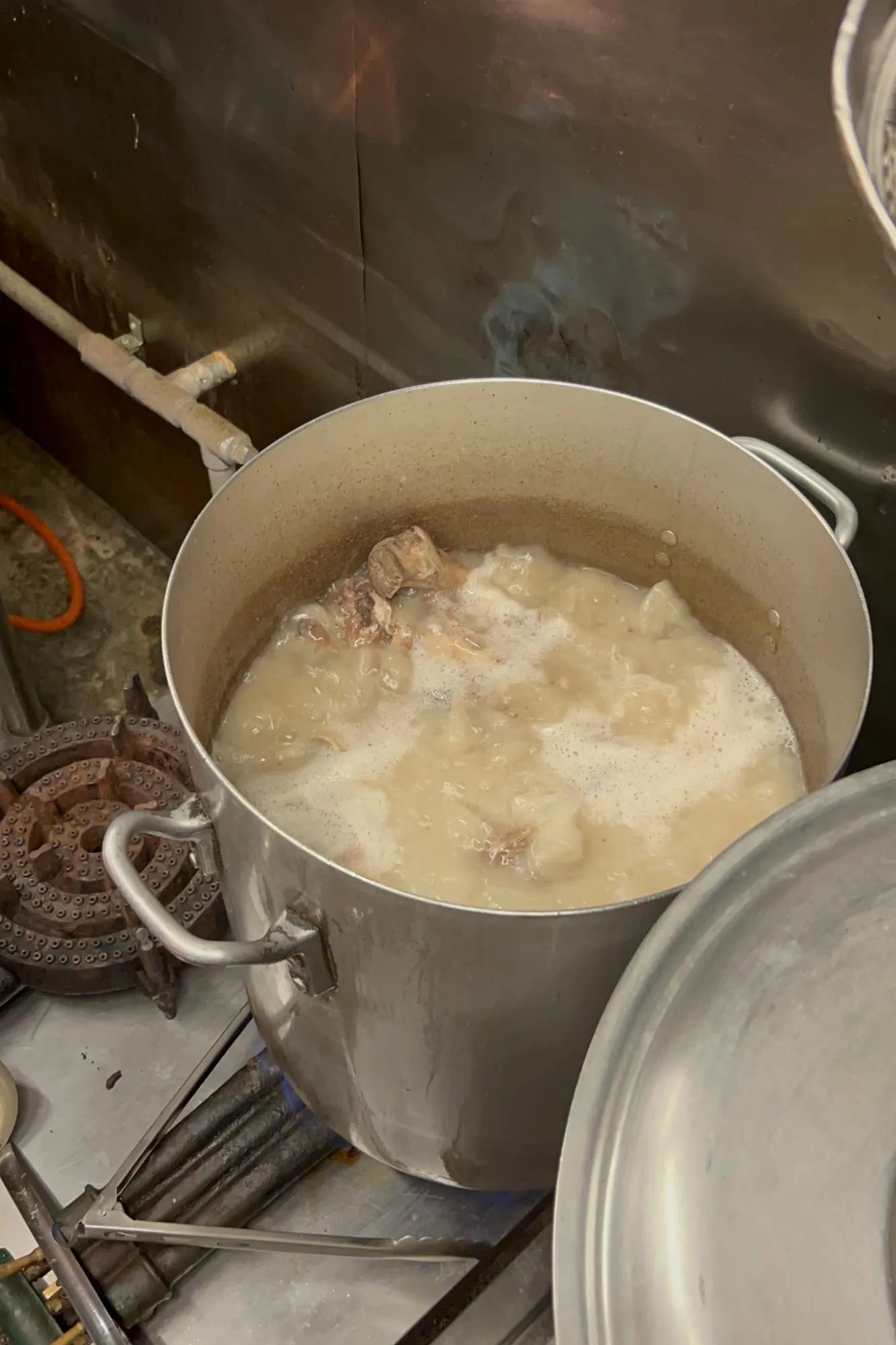


He used to think that ramen was simply made by simmering pork bone broth, adding shiitake mushrooms and vegetables, and then seasoning it with soy sauce. But he was amazed to learn how deep and complex it truly is. He was further surprised to discover that by varying the ratios of animal-based or seafood broths, different tare (seasoning bases), and oils, ramen flavors can be transformed in countless ways. As someone who had no prior knowledge of ramen, He’s thrilled to have learned about its authentic preparation! Although it’s only the first day, it has already been an incredibly enriching experience.
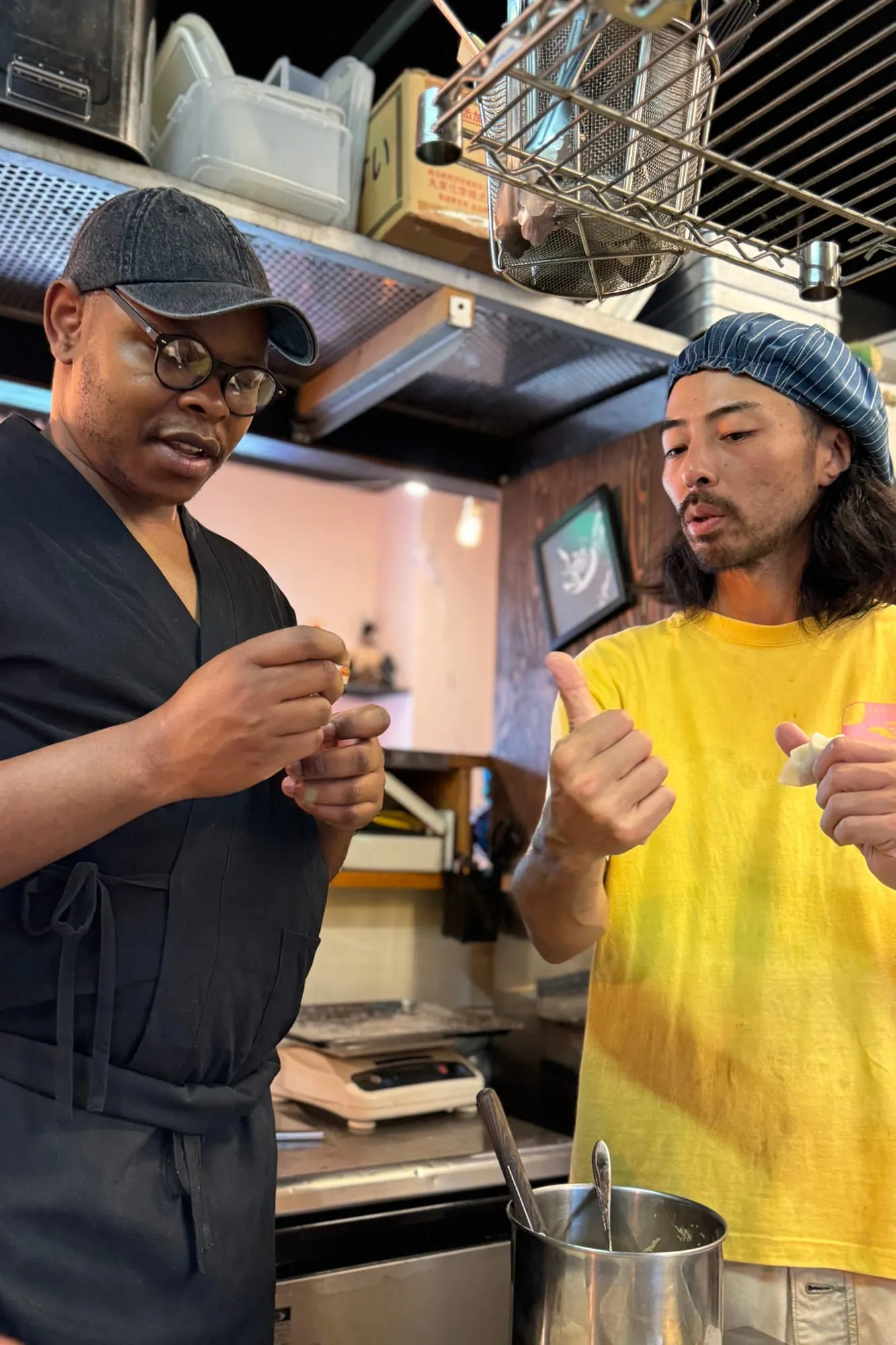


We started the day by preparing the filling for gyoza. Wrapping them can be challenging, but we all did it together and had fun.
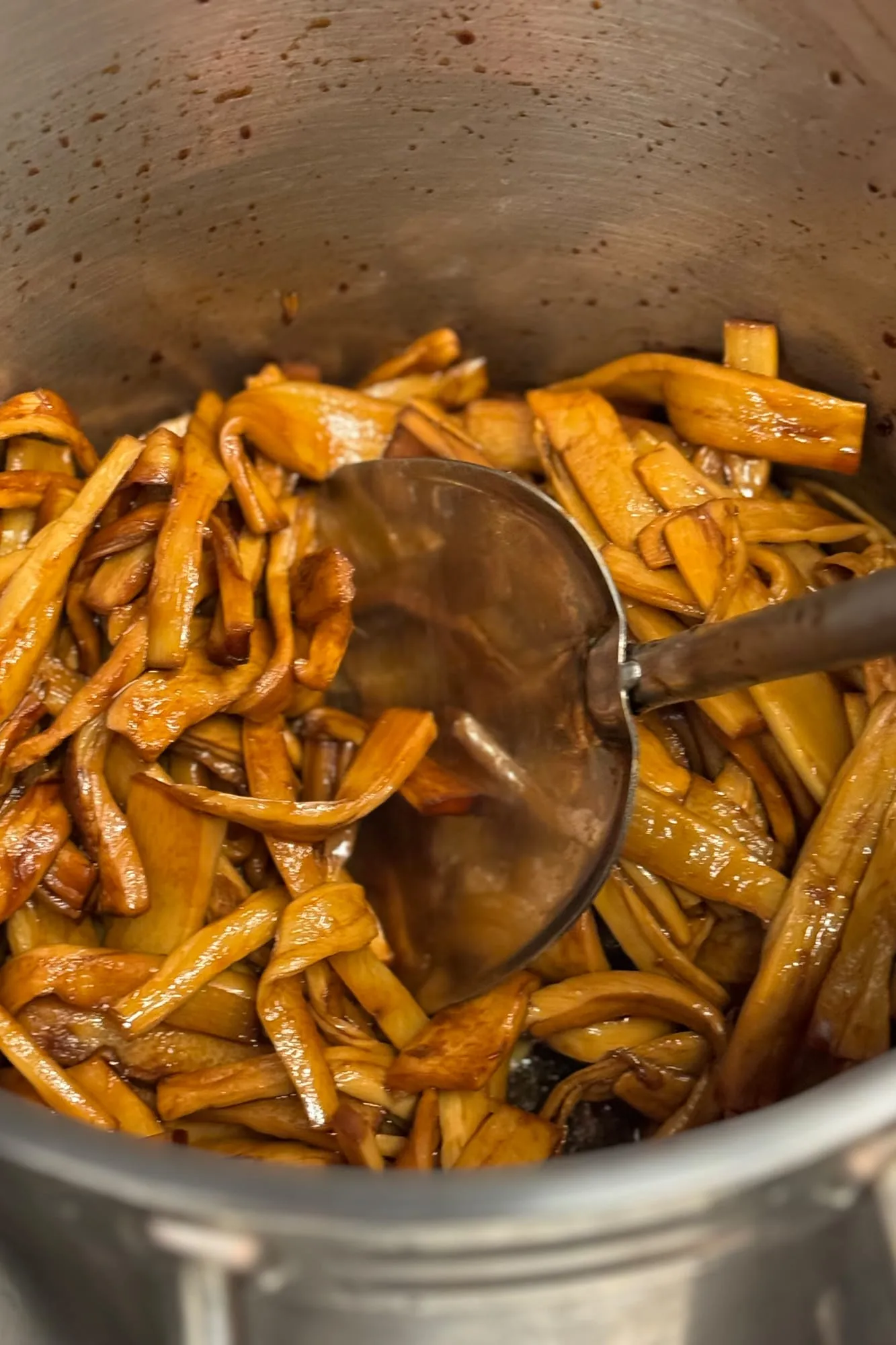

This time, we prepared the toppings, specifically the menma (seasoned bamboo shoots). He was impressed and moved by the meticulous preparation process, making this lesson both enlightening and enjoyable.


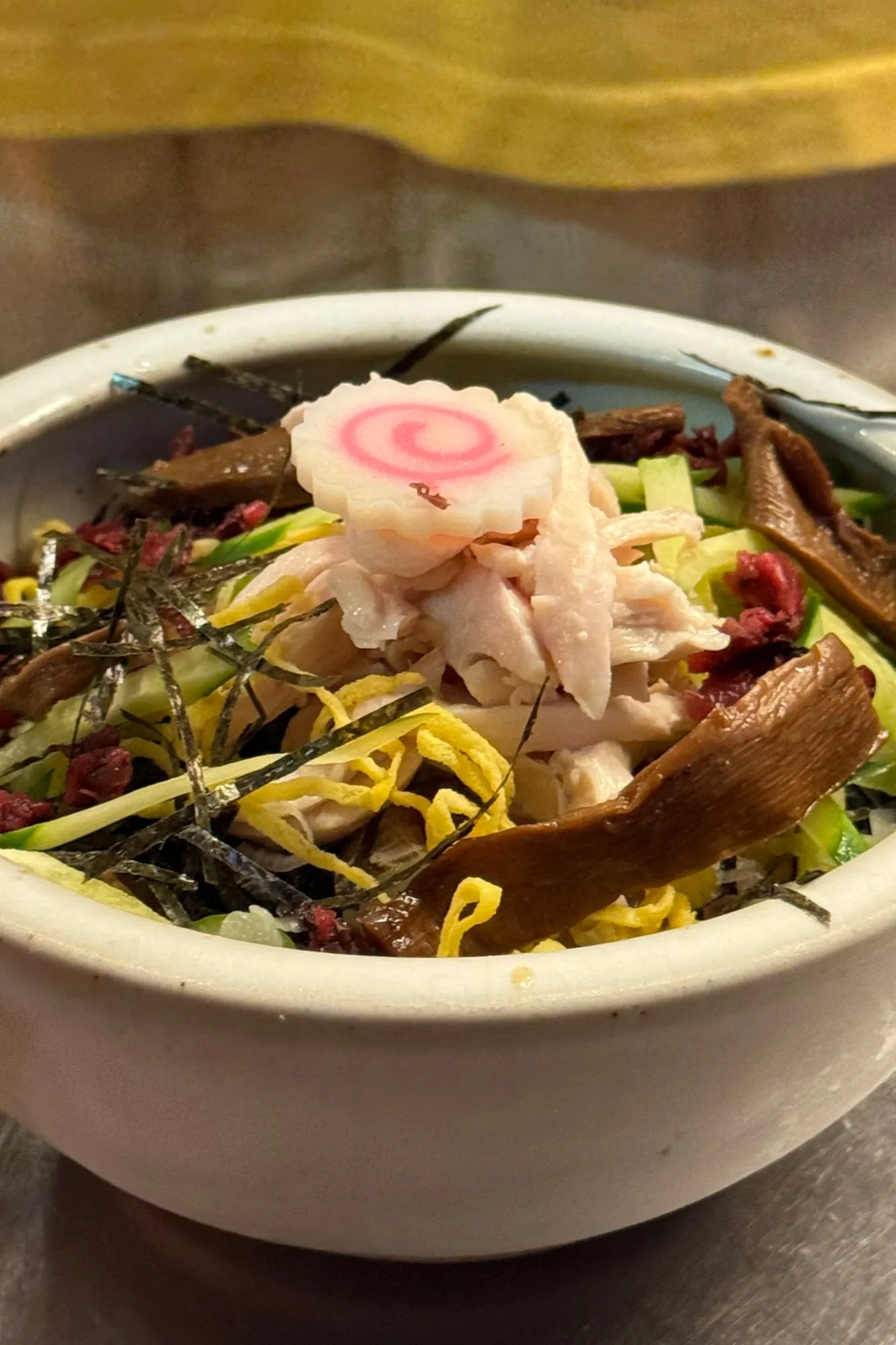
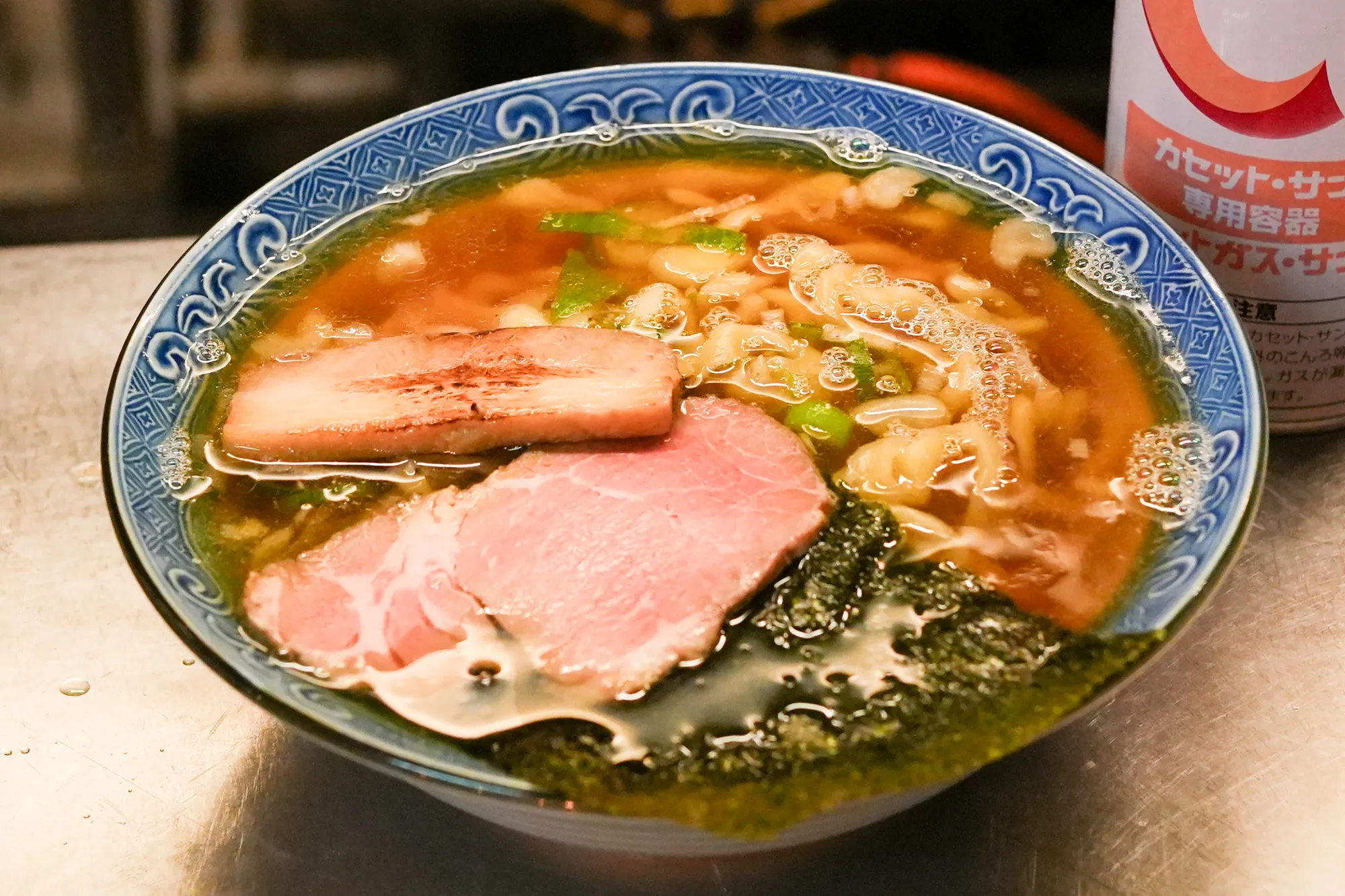
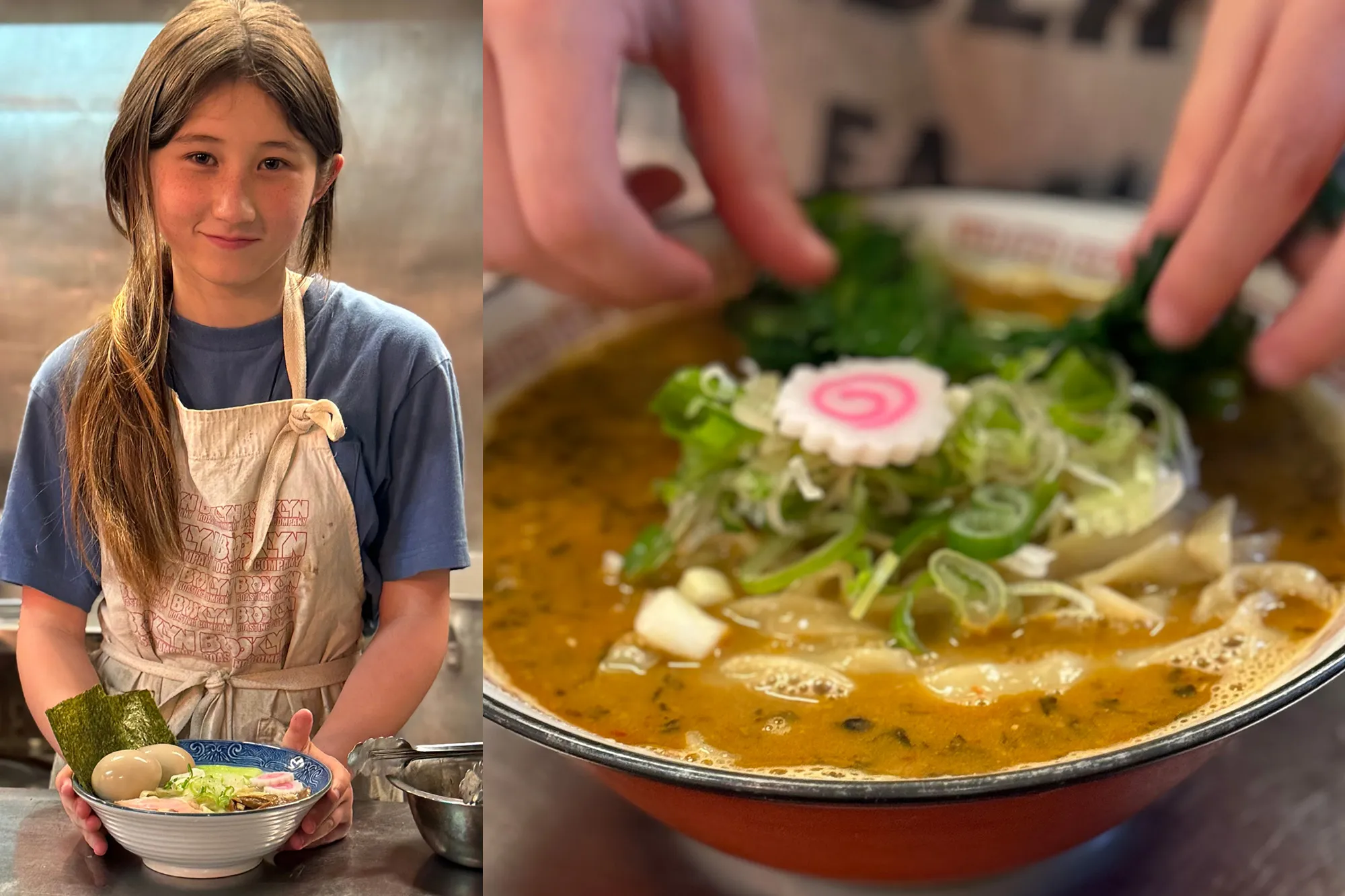
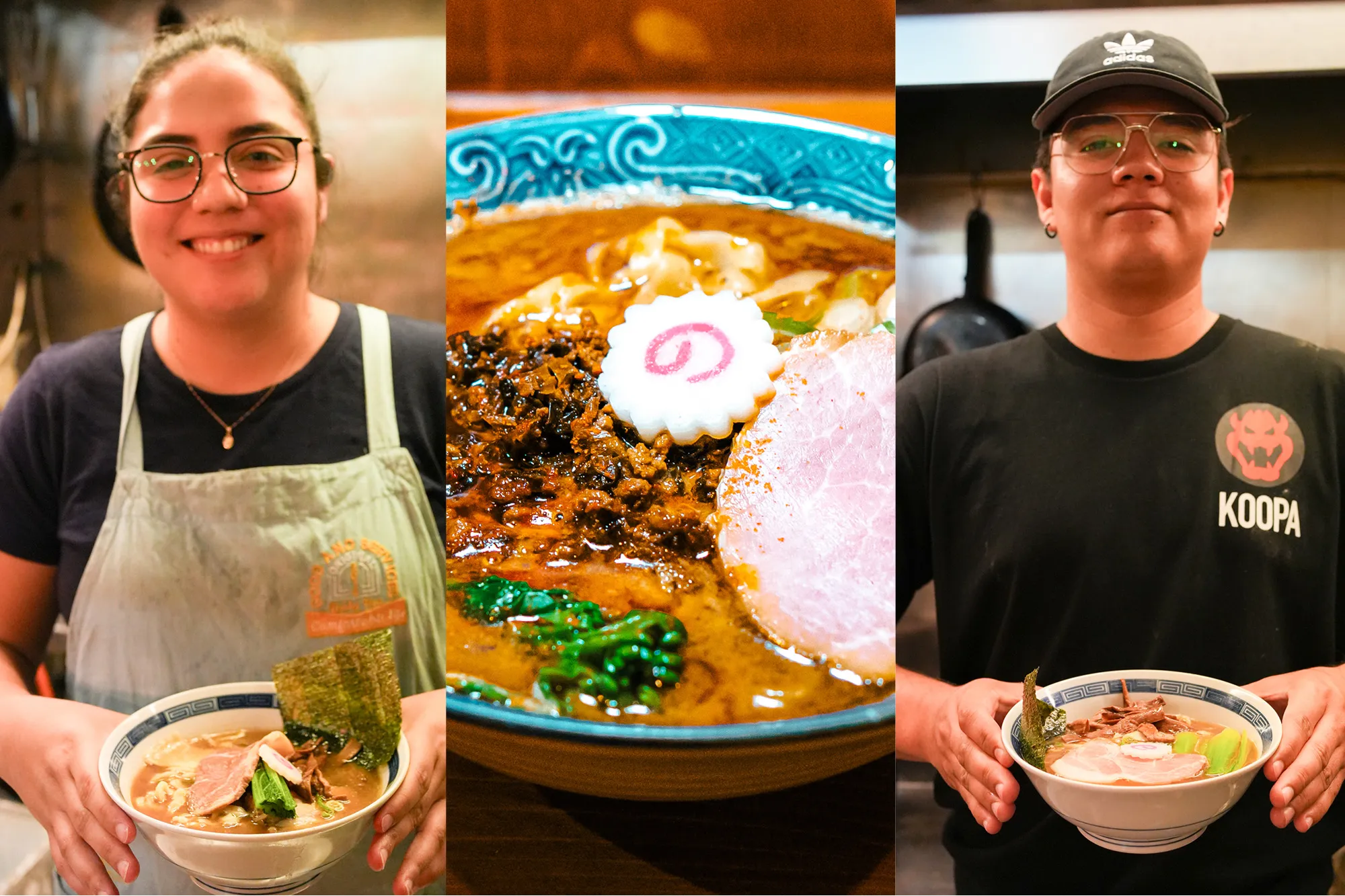
Next, we learned three different types of ramen. Each one was delicious, and we enjoyed sampling them with smiles every day.

Every day, we learn a different tare (seasoning base). Today’s recipe is completely different in both content and flavor from yesterday’s. Today, we learned a lot again. He was overjoyed to understand how the combination of the soup’s umami and the tare’s seasoning, along with the aroma of the oils, is crucial to ramen. He is very eager to learn. He doesn’t just want to know the recipes; he is curious about why such meticulous preparation is necessary. Because of this, the instructor has been teaching us many deep aspects of ramen-making.

Today, we began by preparing spice curry under the guidance of Chef Kenichi, who is also a spice magician. We roasted several types of whole spices, and the shop was filled with smoke and the delightful aroma of spices! We also prepared liquid seasonings and ingredients to complete the dish.
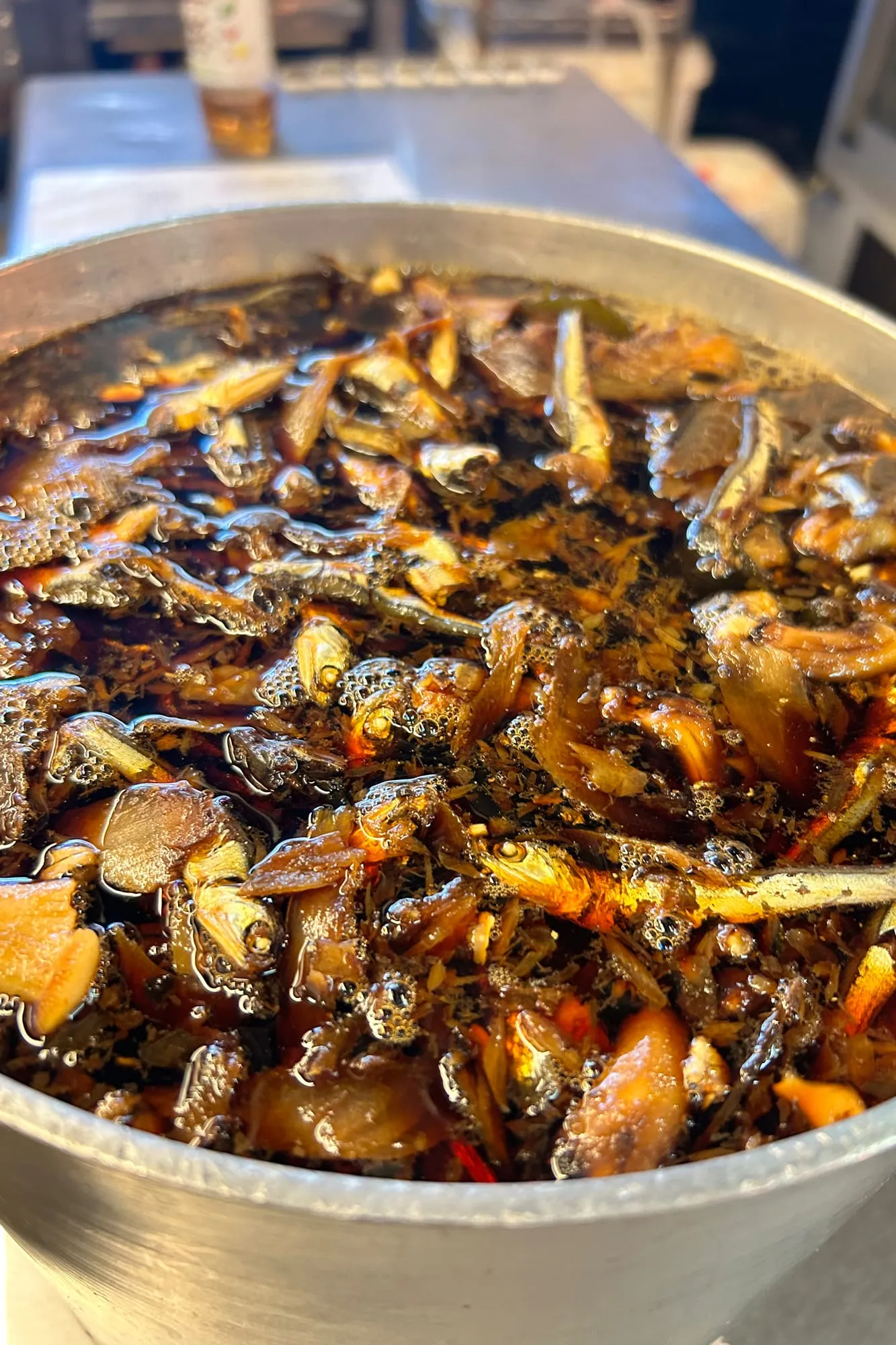
Today’s lesson continued with tare preparation. Additionally, we learned how to make a simple tare, which might be useful when certain ingredients are unavailable outside Japan. Being able to prepare this simple tare expands our options and adds variety to our dishes.

He also learned the secret oil that can be used in ramen, curry, and other dishes.
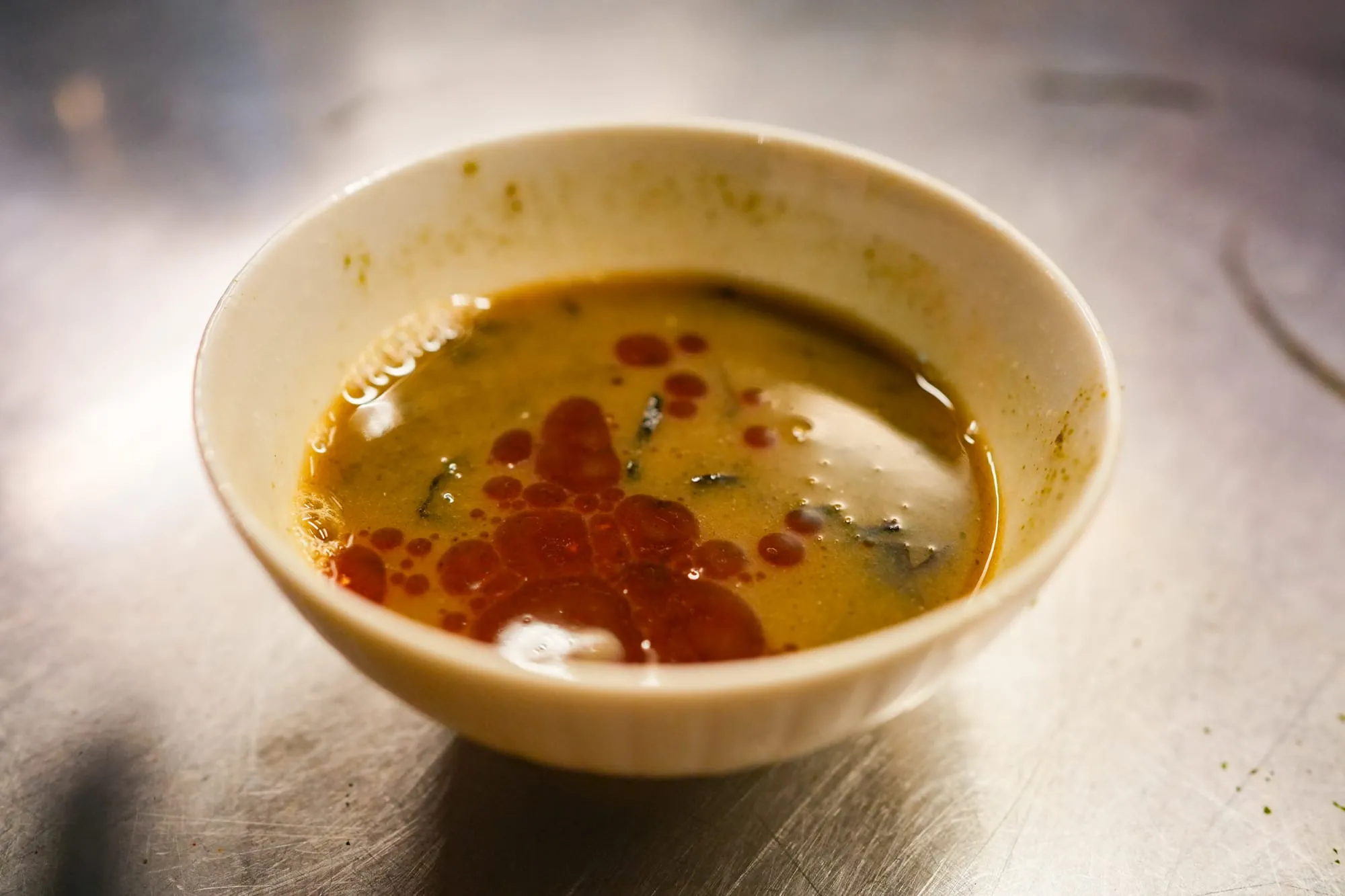

Today, we prepared tsukemen (dipping noodles) and tasted them. This dish incorporates various intricate techniques, making it both challenging and enjoyable to learn.

We also learned how to make a roux-style curry. This is a foolproof side dish that can be served at a ramen shop.
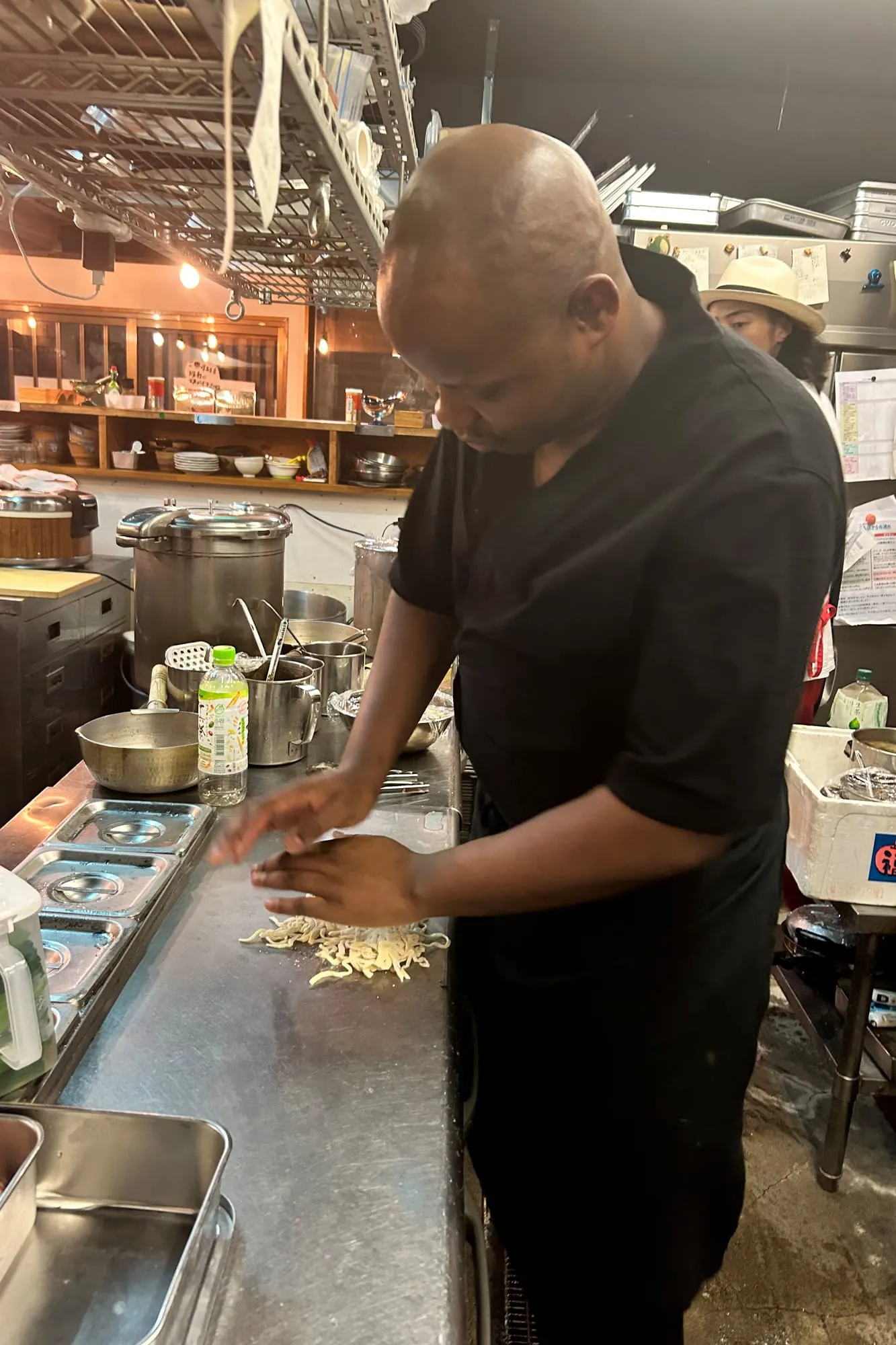
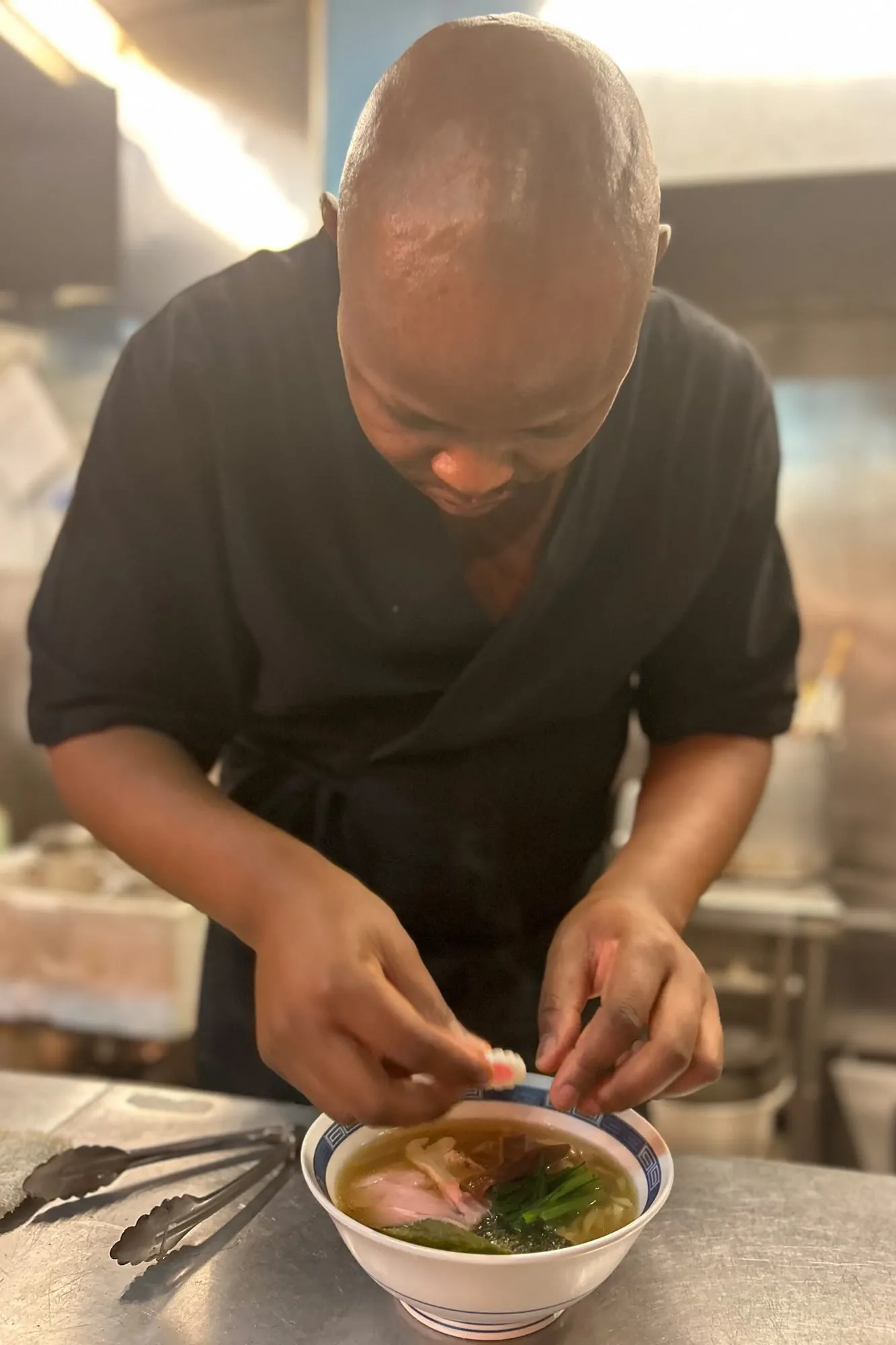

Finally, he made a rich and hearty ramen soup. He even had the chance to practice preparing it himself. When you pour your love and attention into the preparation, delicious results naturally follow.

Now, the final day has arrived! The first lesson of the day is making the “World’s Best Almond Tofu,” a dessert commonly found in Chinese cuisine. Once you try it, you’ll become addicted to its rich and profound flavor.
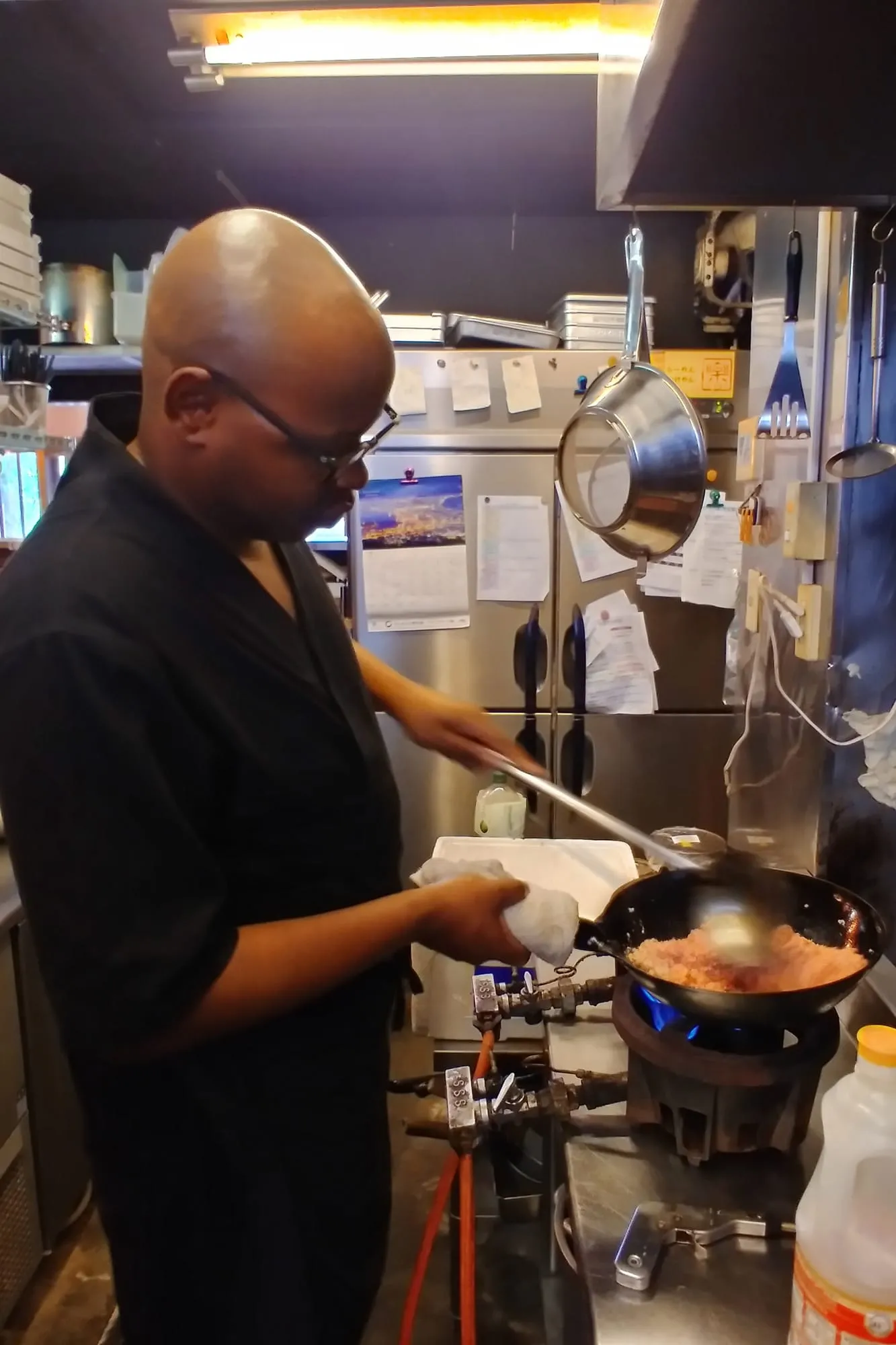

Spiced ground meat is a convenient addition to enhance the flavor of ramen, curry, and other dishes. By preparing it in advance, you can easily elevate the taste of your meals, bringing the authentic flavors of a restaurant into your home.
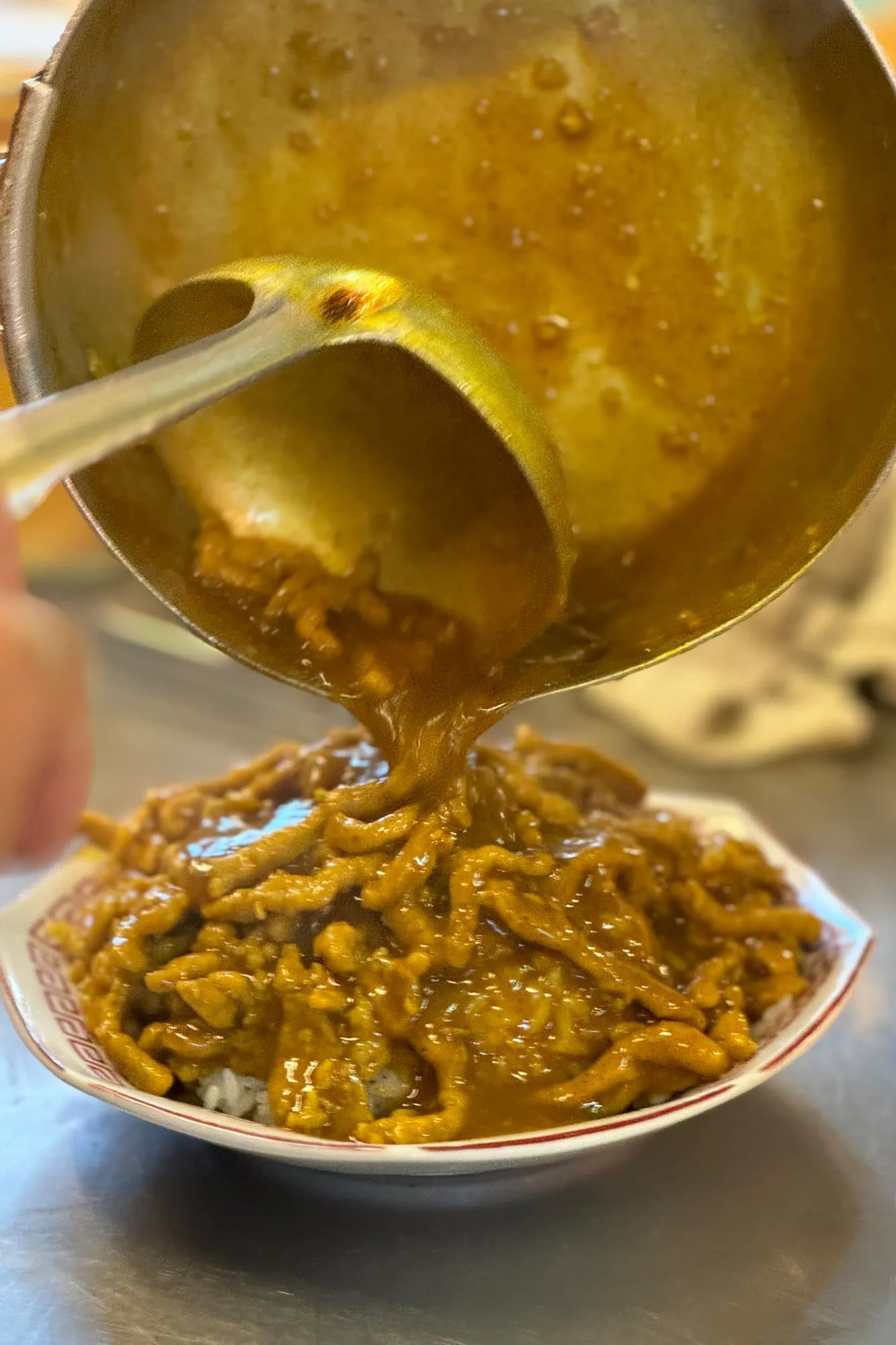
Next, we prepared the roux and made roux-style curry. While it’s slightly different from Japanese curry, it’s still a very delicious dish.

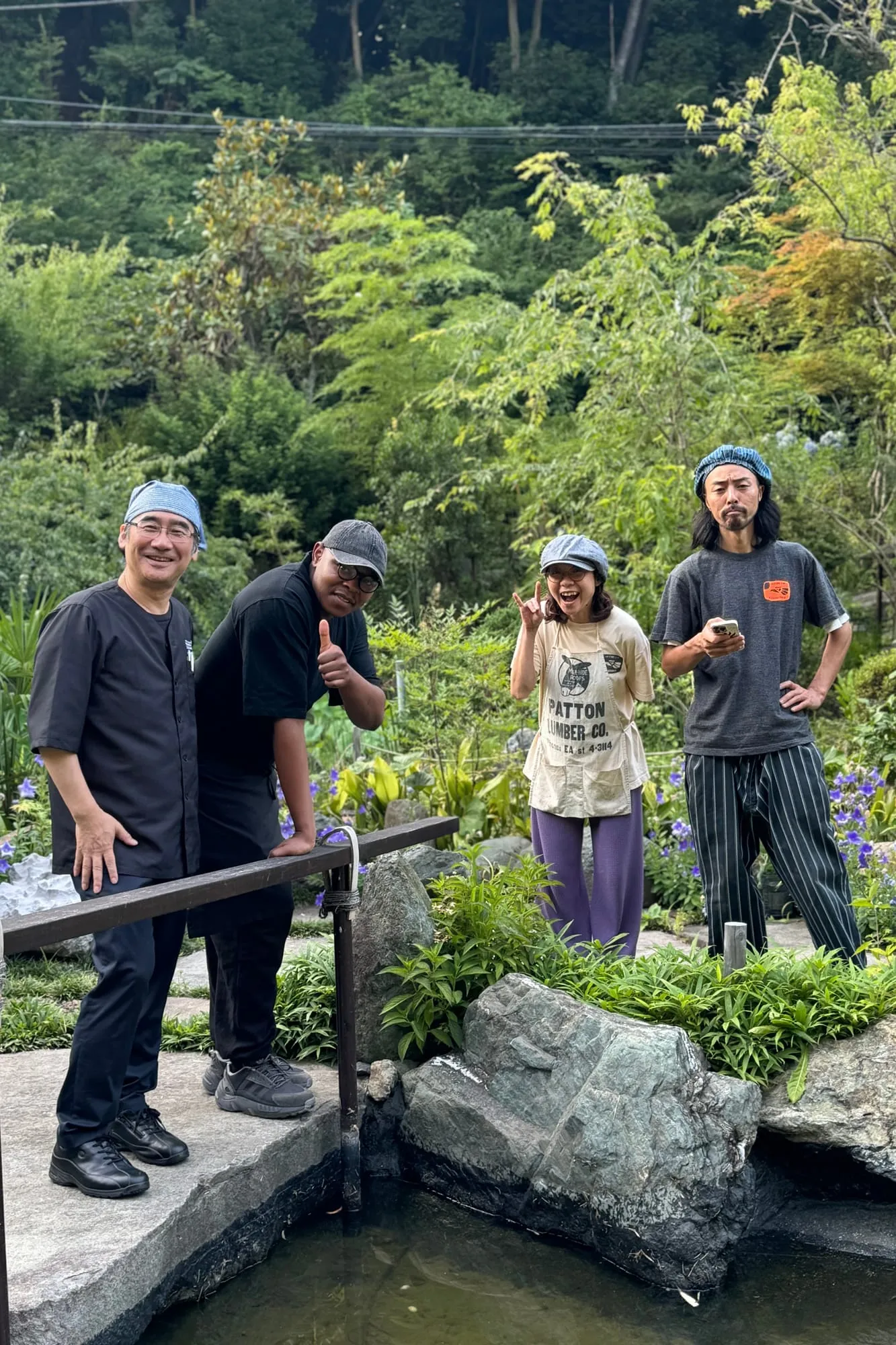
This time, he’s dedicated his schedule entirely to intensive lessons, without engaging in typical sightseeing. However, we’ve decided to move to a different location for the next lesson to experience more of Japan’s traditional streets and rural landscapes. This restaurant is situated in a tranquil and beautiful area, surrounded by lush greenery.

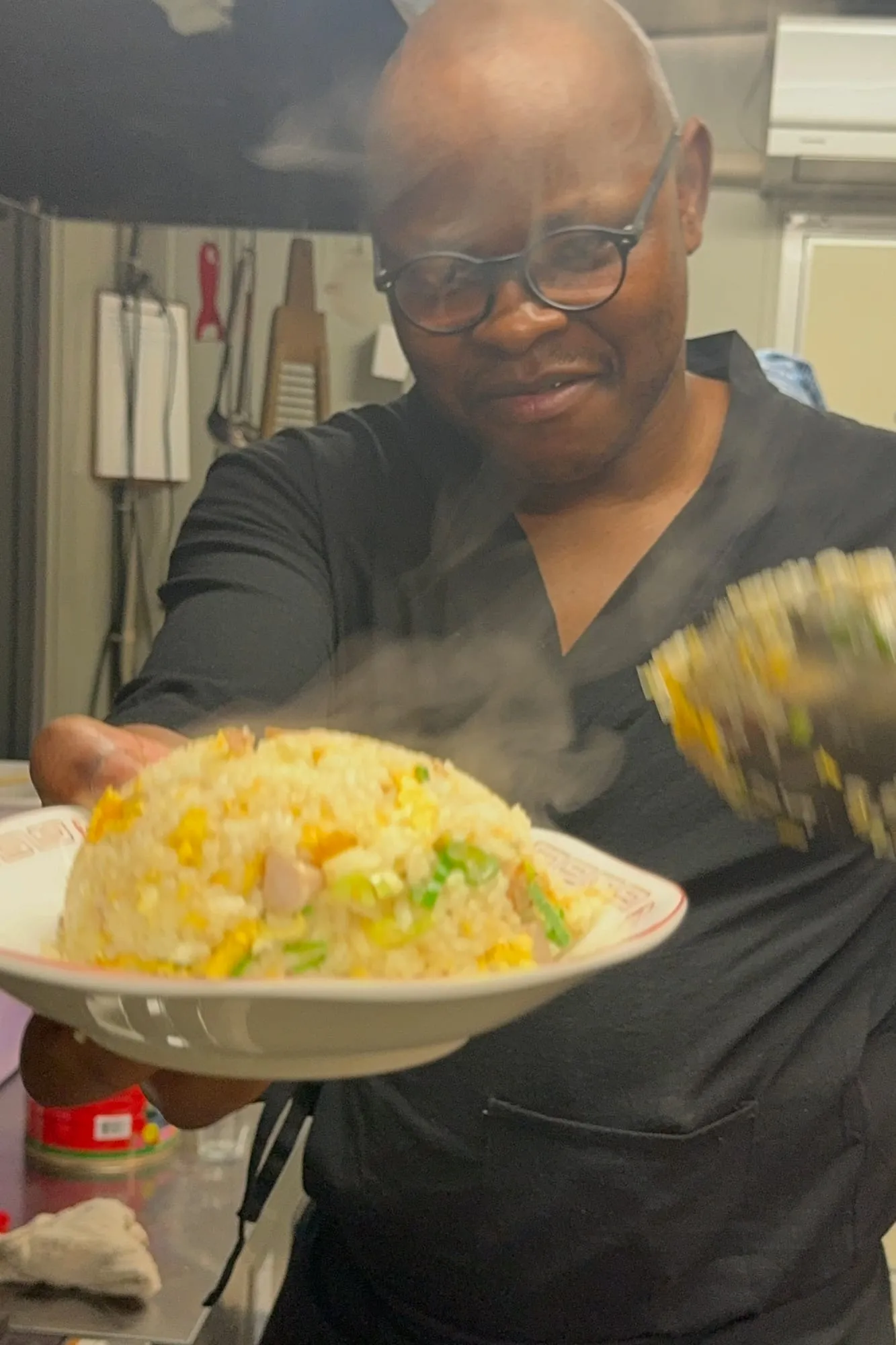

First, we enjoyed nature before restarting the lessons. We finished with fried rice. I practiced many times while being taught how to hold the ladle and how to toss the frying pan, and I improved a lot.
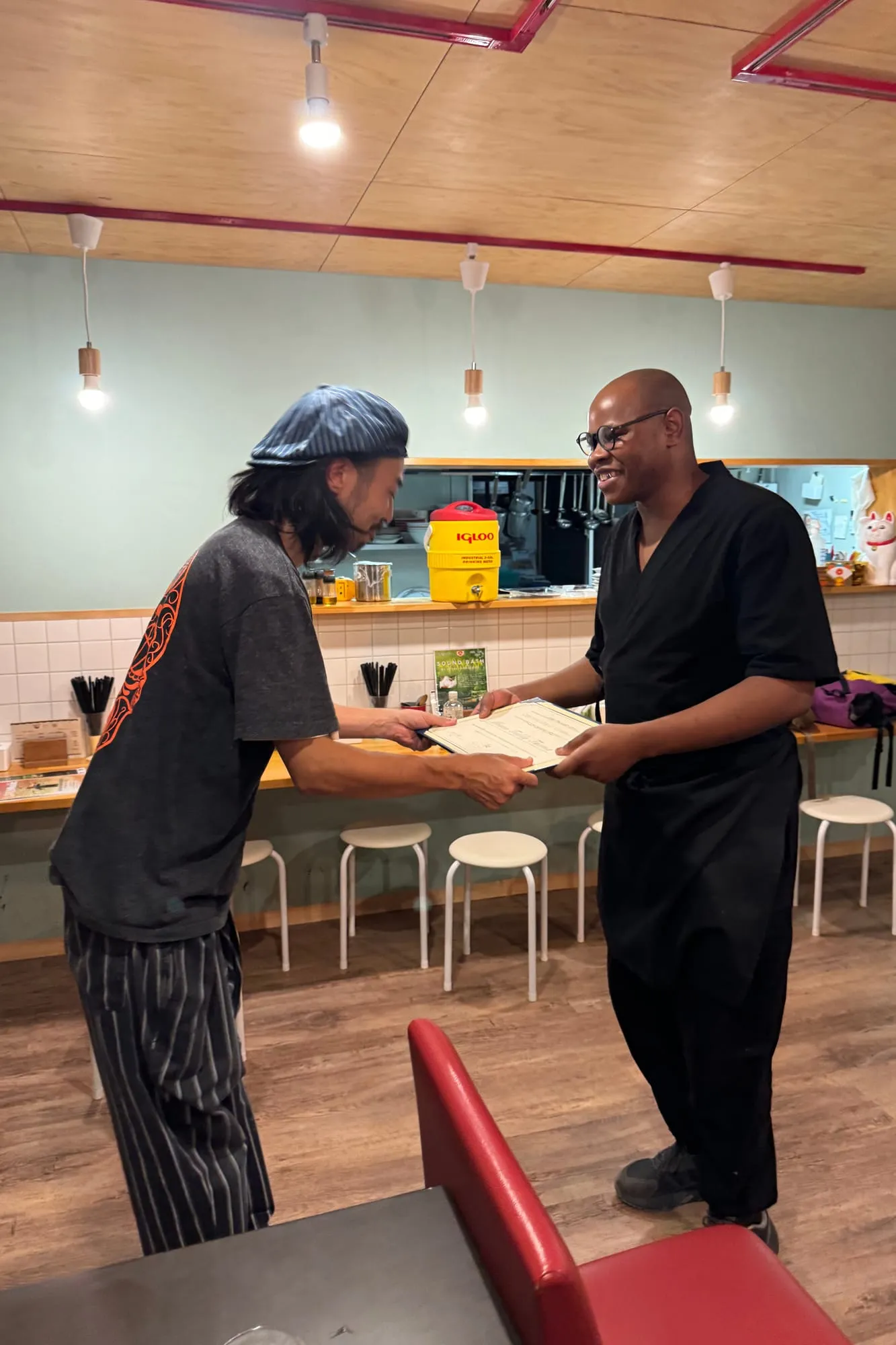


Through this intensive ramen course, Teddy has gained a deep understanding of the essential elements of ramen, including umami, aroma, and the foundational techniques. He now realizes that by experimenting with locally available ingredients and adjusting recipes, he can create ramen that aligns with his personal taste. His curiosity and dedication to exploring how local ingredients can contribute to umami will undoubtedly lead him to experiment further. Ramen may appear simple, but its depth is profound, and Teddy is eager to delve deeper into this culinary art. He has expressed a strong desire to return and continue learning. This experience has also deepened his interest in Japan. He is diligent and has already envisioned applying the skills learned during these two weeks upon returning home. We look forward to meeting again and wish him great success in his endeavors.